Kostas “Gus” Fourtounes was 40 years old and a father of two when his life was taken in Guelph, Ontario, during the early morning hours of August 25, 2005. More than twenty years later, no one has been charged with his murder, making Gus’s case the oldest unresolved homicide currently being investigated by the Guelph Police Service.
It was shortly before 5:00am when residents along Elizabeth Street became aware that something was terribly wrong. A man outside was calling for help, waking people in the neighborhood. One resident went outside and discovered Gus, who had been seriously injured.
Neighbors immediately tried to help him and called 911. Police and other emergency personnel arrived within minutes, and Gus was taken to Guelph General Hospital. Despite efforts to save him, the injuries he had suffered were fatal.
Gus was only 40 years old.
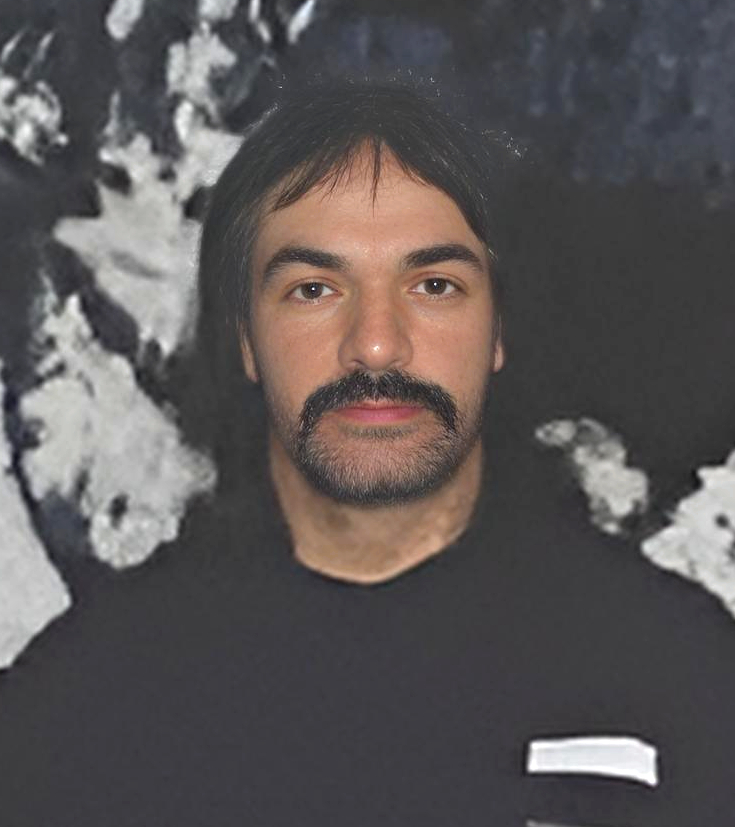
What happened in the period immediately before Gus was found has never been fully explained publicly. Police have released relatively little information about his final hours, including where he had been earlier that night, who he may have been with or what events led to the violence on Elizabeth Street.
Investigators began speaking with people who knew Gus and attempting to reconstruct the circumstances surrounding his death. Over the years, more than 100 people have been interviewed or re-interviewed, and investigators have repeatedly returned to the evidence in the hope that something previously overlooked might finally point them toward the person responsible.
Police have said that Gus associated with some people involved in Guelph’s local drug scene. Investigators believe individuals within that circle may have information about what happened to him but have been reluctant to come forward.
Note: When police or media say someone had “connections within Guelph’s drug subculture,” they generally mean that the person was known to associate with people involved in the local drug scene. It does not automatically mean that Gus was a drug dealer, involved in organized crime, or engaged in serious criminal activity.
That detail has sometimes become part of the way Gus’s case is discussed, but it should never overshadow the person at the centre of the investigation. Nothing about the company someone keeps or the circumstances of their life makes their murder less deserving of answers.
Gus’s brother George addressed that issue several years after his death. He acknowledged that his brother had his imperfections while making something equally clear: Gus did not deserve what happened to him.
For investigators, the possibility that someone has been withholding information has remained one of the most frustrating aspects of the case.
People may remain silent for many reasons. Someone might have been frightened in 2005. Others may have worried about becoming involved with police or revealing things about their own lives. Relationships and loyalties may also have prevented people from speaking openly. Police have not publicly explained precisely why they believe certain people know more, but their appeals over the years have consistently carried the same message: someone may possess information capable of solving Gus’s murder.
What has never emerged publicly is a confirmed motive.
There is no publicly established evidence showing whether Gus’s death resulted from a personal disagreement, money, drugs or some other circumstance. Police have not publicly named a suspect or person of interest, and no one has ever been charged in connection with his murder.
There are other unanswered questions as well. Authorities have not publicly provided a detailed reconstruction of Gus’s movements before he was found. They have not revealed whether investigators believe he knew the person responsible or whether the events that led to his death were planned or happened suddenly.
Those gaps have left much of Gus’s final night hidden from public view.
What is known is that residents of Elizabeth Street heard Gus calling for help. They responded. Emergency services came quickly. From that point forward, police began an investigation that would eventually stretch across decades.
Years passed.
Detectives reviewed the case again and again. Witnesses were revisited. People who had already spoken with investigators were interviewed another time. Leads were examined, and police continued hoping that changing circumstances might eventually convince someone to provide the missing piece.
But no arrest came.
On August 25, 2025, exactly twenty years after Gus’s death, Guelph Police once again appealed publicly for information.
Detective Constable Scott Biser of the Guelph Police Service emphasized that investigators continue to believe there are people who could provide information capable of finally solving the case. After two decades, police hoped that circumstances might have changed enough for someone who had previously remained silent to reconsider.
Twenty years can change almost everything.
Relationships end. Friendships fall apart. Loyalties disappear. People who once feared someone may no longer be afraid. Someone who felt unable to speak in 2005 may look at the situation very differently today.
Memories can fade with time, but guilt can remain.
And police have made it clear that they are still willing to listen.
There is also an important distinction between what investigators suspect and what can actually be stated as fact. Police believe people within Gus’s social circle may know who was responsible, but that does not mean everyone associated with him knew what happened. Nor does Gus’s connection to the drug subculture establish the motive for his murder.
Without an arrest, charges or additional evidence being made public, theories about who killed Gus or why remain speculation.
What remains beyond speculation is the loss experienced by his family.
Gus’s two children lost their father. His brother lost a sibling. Other relatives and friends were left with a murder that has remained unresolved for more than two decades.
They have had to live with questions that investigators still cannot publicly answer.
Who was Gus with during his final hours? What happened on Elizabeth Street that morning? Was someone else present who witnessed something important? Who has information they have never shared? And after more than twenty years, what would it take for that person to finally speak?
Gus Fourtounes was killed on August 25, 2005. More than 100 people have been interviewed or re-interviewed. Investigators have gone back through the case repeatedly. Police still believe someone knows what happened.
Yet no one has been charged.
Twenty years is a long time to carry a secret. It is an even longer time for a family to wait for answers.
For the people who loved Gus, perhaps the hope now is that somewhere among the people who remember that summer morning in Guelph, someone is finally ready to tell the truth.
Until then, the question that has followed Gus Fourtounes’s family since 2005 remains unanswered:
Who killed Gus?
If you have information on Gus’s case, please contact any of the following:
Guelph Police Service – Major Crime Unit:
Telephone: 519-824-1212
Email: mcu@guelphpolice.ca
Crime Stoppers: 1-800-222-TIPS(8477)
Online at: https://www.canadiancrimestoppers.org/submit-a-tip/submit-a-tip
Crime Stoppers provides anonymous tipping
Sources: Guelph Police Service, GuelphToday, Crime Stoppers Guelph Wellington, Guelph Mercury archival reporting, and Guelph Politico.
🕯️ Subscribe to Someone Saw Something. I dig through the details, ask the unanswered questions, and occasionally fall down research rabbit holes so you don’t have to. 🧡

