November 24, 2026 | London, Ontario
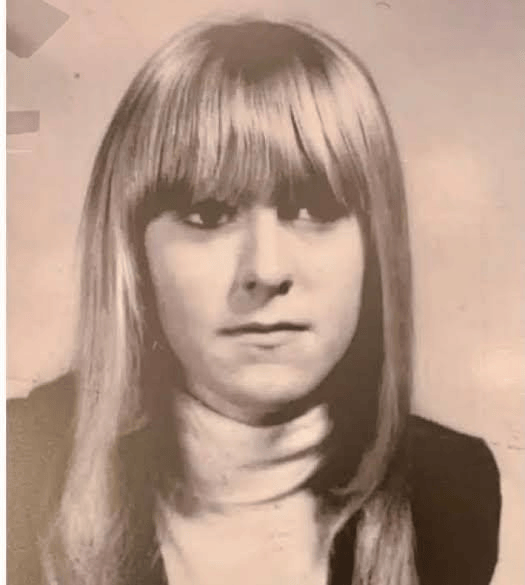
The identification of Michael Joseph Moore as the man responsible for the 1968 murder of 16-year-old Jacqueline “Jackie” Dunleavy has brought long-awaited answers to one of London’s most haunting cold cases. But the announcement has also raised another question: Could Moore have been responsible for other unsolved murders in southwestern Ontario?
On November 23, 2026, the London Police Service announced that advances in forensic DNA testing and investigative genetic genealogy had identified Moore as the person responsible for Jackie’s death. He was 25 years old when she was murdered and died on March 3, 2018, before investigators established his involvement. Police said the evidence would have supported criminal charges had he still been alive.
Jackie was a Grade 10 student at Westminster Secondary School who worked part-time at the Stanley Variety Store on Stanley Street. On January 9, 1968, she finished her shift at approximately 6:30 p.m. and was last seen leaving the store on foot. Less than two hours later, three young people discovered her body on the grounds of Katherine Harley School, now known as Matthews Hall, on Oxford Street.
Although Jackie had suffered a head injury, investigators determined that she died from strangulation. Despite extensive interviews, evidence collection, and decades of investigative work, her killer remained unidentified for nearly 58 years.
Moore was born in Ireland in 1942 and emigrated to Canada in January 1967. By May of that year, he was living in an apartment on Springbank Drive in London. Police described him as approximately six feet tall, with dark hair. He later joined the London Fire Department, where he served for approximately 28 years before retiring.
His identification has prompted renewed interest in a troubling period of London’s history, when numerous women, teenagers, and children disappeared or were murdered under circumstances that remain unresolved.
While there is currently no publicly established evidence connecting Moore to another homicide, a comparison of historical cases reveals several similarities that may be worth examining.
One of the most notable is the murder of 31-year-old Helga Beer.
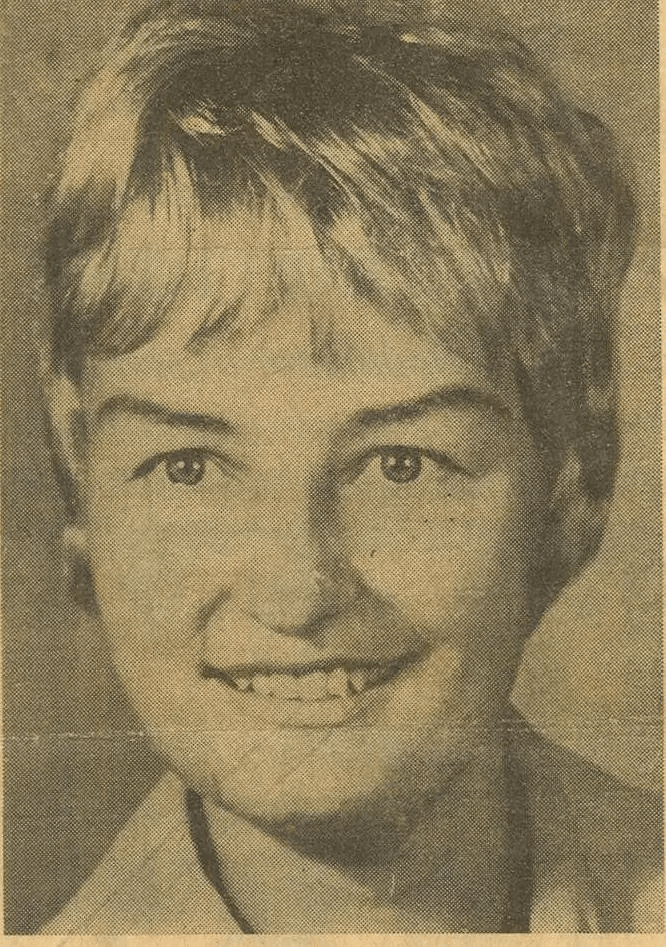
On August 6, 1968, approximately seven months after Jackie’s death, Helga was discovered in the back seat of her Volkswagen in a parking lot at 50 Carling Street in downtown London. A parking attendant found her body at approximately 6:25 a.m. Investigators determined that she had also been strangled.
Helga had spent the previous evening with friends and was reportedly seen with an unidentified man between approximately 12:30 and 1:00 a.m. Police described the man as white, between 24 and 34 years old, approximately five feet nine inches to five feet eleven inches tall, with dark hair and a husky build.
Moore was approximately 26 years old at the time of Helga’s murder, placing him within the reported age range. His dark hair and approximate height also share some similarities with the description, although he was reportedly slightly taller.
The geographical proximity, relatively short interval between the murders, and shared cause of death make Helga’s case particularly interesting for historical comparison. Nevertheless, the description of the unidentified man is not sufficiently distinctive to identify Moore, and investigators have not publicly connected him to Helga’s murder.
Another case that attracted attention in 1968 was the disappearance and murder of nine-year-old Frankie Jensen.
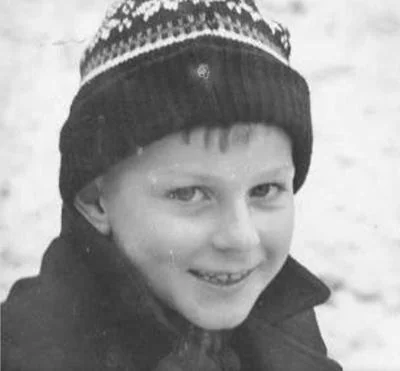
Frankie vanished on February 9, 1968, while travelling to school in London, exactly one month after Jackie was murdered. His body was discovered in the Thames River in April.
Historical accounts describe an unusual similarity between the two investigations. Pink facial tissues were reportedly discovered in both victims’ mouths, a detail that prompted speculation about whether the same person was responsible.
However, investigators also considered the possibility that the similarity resulted from a copycat crime. Details concerning the tissues in Jackie’s case had already appeared in newspaper coverage, meaning the information was not necessarily known only to the person responsible.
The victims’ ages and the circumstances surrounding their disappearances were also significantly different. The reported tissue evidence remains an intriguing historical detail, but it does not establish that Frankie and Jackie were killed by the same person.
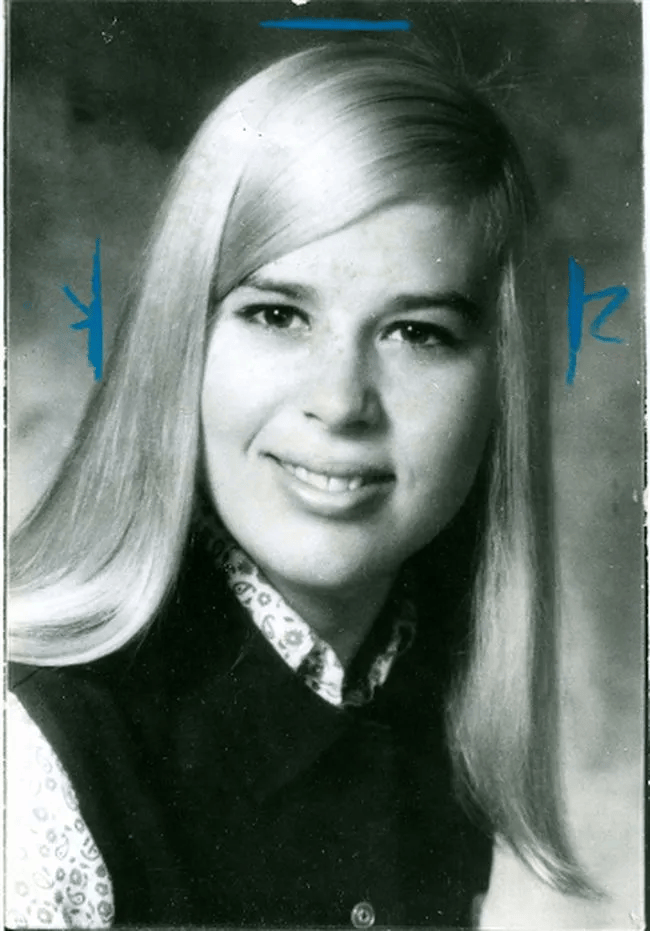
Later that year, another young woman disappeared.
Nineteen-year-old Lynda White, a university student in London, vanished in November 1968. Historical accounts
indicate that she disappeared after writing an examination. Her remains were discovered in Norfolk County in May 1973, several years after she was last seen.
Lynda’s disappearance occurred while Moore was living in London, but the available public information provides few distinctive circumstances that could support a meaningful comparison. Her cause of death was not established, limiting any attempt to compare the methods involved.
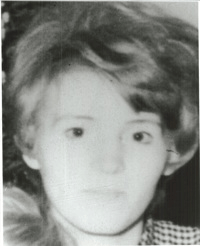
The following spring brought another unsolved homicide.
On April 24, 1969, 22-year-old Patricia Anne Bovin was found murdered inside her apartment at 790 King Street in London. Patricia was a mother of two young sons, and investigators determined that she died from multiple stab
wounds.
Although Patricia’s murder occurred during the same general period, its circumstances differ considerably from Jackie’s. Patricia was killed inside her home, and the cause of death was different. Beyond the shared location and historical period, there is little publicly documented evidence suggesting a connection.
Six months later, the disappearance of 15-year-old Jacqueline “Jackie” English added another tragedy to the region’s unresolved cases.
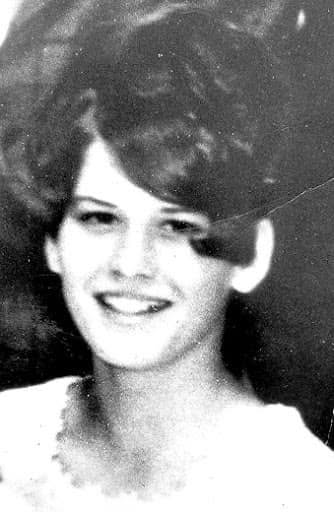
Jackie English disappeared on October 4, 1969, after leaving her job at the Metropolitan store south of London. Historical accounts indicate that she was travelling toward home when she was seen entering a vehicle near the Wellington Road overpass at Highway 401.
Her body was discovered five days later in Big Otter Creek near Tillsonburg.
Both Jackie English and Jackie Dunleavy were teenage girls who disappeared after leaving work. Both cases involved questions about how the victims travelled from their last known locations, and both occurred while Moore was living in the London area.
Police have also released information showing that Moore owned a white Ford Galaxie 500 during the 1960s. However, there is no publicly established evidence connecting that vehicle to Jackie English’s disappearance or to any other unresolved homicide.
The similarities between the two teenagers’ circumstances are worth examining, but they remain circumstantial rather than forensic.
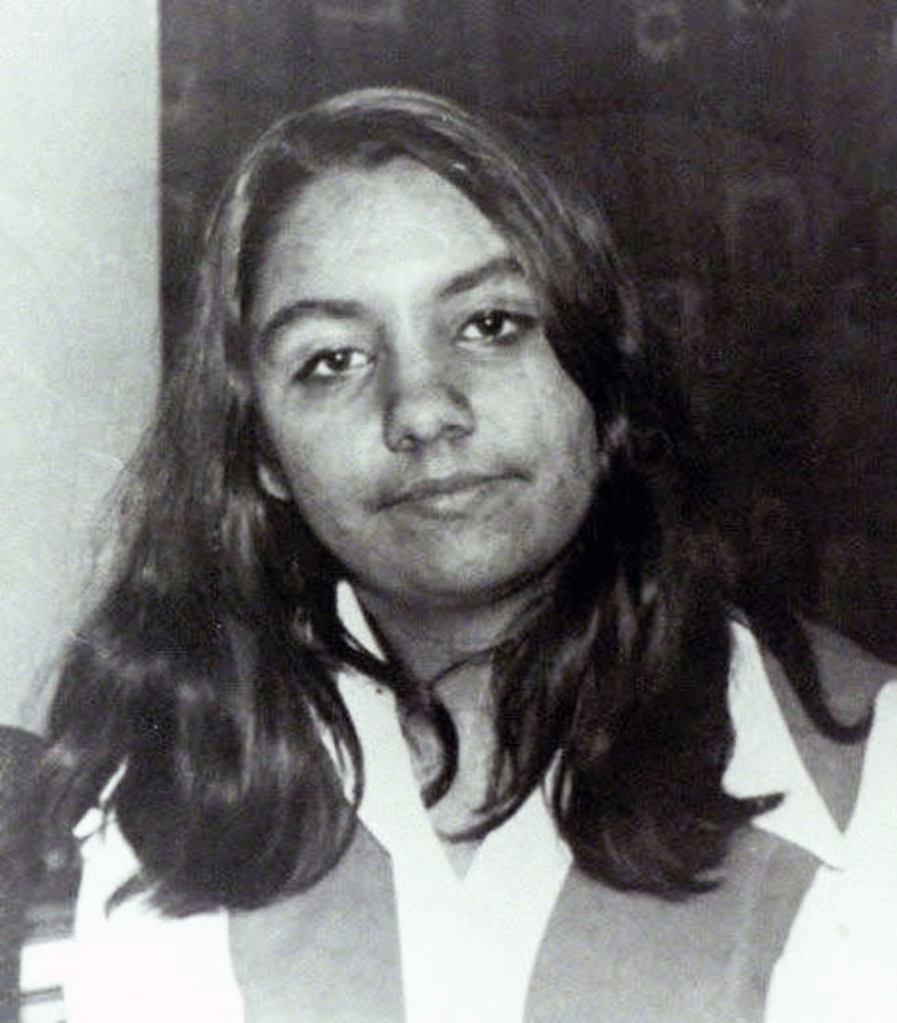
On August 14, 1970, 15-year-old Soraya O’Connell disappeared after leaving a youth drop-in centre in London.
Historical accounts indicate that she intended to hitchhike home.
Soraya’s remains were discovered in May 1974 near Stratford, Ontario, almost four years after she vanished.
Like Jackie Dunleavy and Jackie English, Soraya was a teenager who disappeared during the evening. The possibility of contact with someone travelling in a vehicle is another broad similarity.
However, the circumstances of Soraya’s death have not been publicly documented in enough detail to establish a common method or offender. Her case remains a separate investigation, and no evidence has been publicly presented connecting Moore to her disappearance.
The geographical and chronological comparisons become more complicated when examining murders committed many years later.
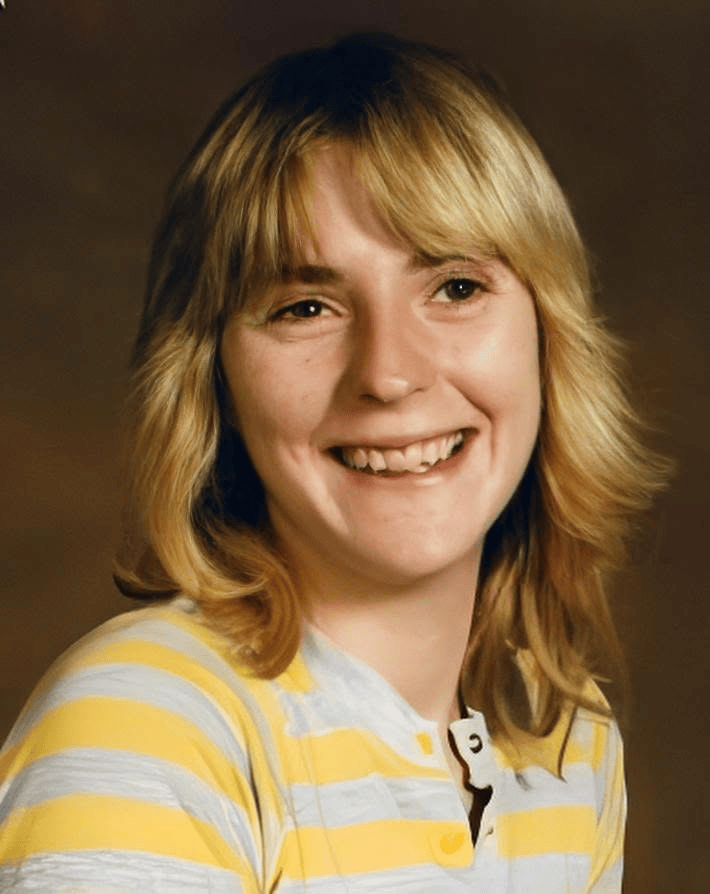
On October 13, 1983, 17-year-old Donna Jean Awcock disappeared after leaving an apartment in London’s northeast end, where she had been babysitting. Donna had gone to a nearby convenience store and never returned.
Her body was discovered the following day near the Thames River, west of Fanshawe Dam. Investigators determined that Donna had been sexually assaulted and strangled.
Donna’s age and cause of death bear similarities to Jackie’s case, but the murders occurred approximately 15 years apart. The passage of time does not automatically exclude the possibility of a common offender, yet it also provides no evidence that one existed.
There is no publicly confirmed forensic connection between Donna’s murder and Moore.
These cases are part of a much larger history of unsolved violence in southwestern Ontario. Their circumstances have been examined by researchers, journalists, and investigators for decades, sometimes giving rise to theories that multiple crimes may have been committed by a single offender.
One significant investigative effort was Project Angel, a joint initiative involving the London Police Service and Ontario Provincial Police from 1997 to 2001.
The project reviewed historical homicide evidence and examined possible relationships between unresolved cases. Jackie’s murder was among those investigated.
According to CBC’s November 2026 reporting, Moore’s name surfaced during Project Angel, although he was not identified as a suspect at that time. Police have also confirmed that DNA work associated with the project contributed to the evidence eventually used to solve Jackie’s murder.
That history raises an important question about whether preserved evidence from other investigations could now benefit from the same scientific advances.
The breakthrough in Jackie’s case came through the re-examination of biological material collected in 1968. Specialized testing by Othram Laboratories helped investigators identify distant genetic relatives associated with the unknown suspect’s DNA. Genealogical research, conducted with assistance from the Toronto Police Service, narrowed the investigation toward Moore.
Additional evidence and DNA comparisons subsequently allowed investigators to identify him as the person responsible.
The success of that investigation demonstrates how carefully preserved evidence can retain its value for decades, even when the technology required to analyze it has not yet been developed.
Whether similar opportunities exist in other London cold cases is a question for investigators. Publicly available information does not establish what biological evidence remains in each investigation, whether it is suitable for testing, or whether previous DNA comparisons have already excluded particular individuals.
There are also important limitations to the theory that Moore may have committed additional murders.
His documented arrival in Canada in January 1967 means that earlier London homicides, including the murders of five-year-old Susan Cadieux in 1956 and 20-year-old Margaret Sheeler in 1963, occurred before his known Canadian residency. Without evidence that he had visited Canada earlier, there is no documented basis for including those crimes in his Canadian timeline.
Furthermore, similarities involving age, location, cause of death, or the circumstances of a disappearance do not establish a common offender. Different individuals can commit crimes that appear similar, particularly when investigators are comparing cases spanning many years.
Historical reporting can also contain incomplete or conflicting details, making original investigative records and forensic evidence considerably more reliable than comparisons drawn from newspaper accounts alone.
The murder of Helga Beer presents a particularly notable combination of similarities involving location, timing, strangulation, and a historical witness description. Frankie Jensen’s case contains a reported crime-scene similarity that also deserves careful consideration. Other cases, including those of Jackie English, Lynda White, Soraya O’Connell, Patricia Bovin, and Donna Awcock, illustrate the broader number of unresolved investigations in the region.
But none of those observations proves that Moore was responsible for another person’s death.
As of November 24, 2026, London police have publicly established his responsibility for Jackie’s murder only. No additional homicide has been officially attributed to him.
The most meaningful next step would be a review of any preserved forensic evidence, alongside verified information about Moore’s movements, vehicles, residences, employment, and personal associations during the relevant periods.
For families who have waited decades for answers, the identification of Jackie’s killer demonstrates that even the oldest investigations can sometimes move forward.
Jackie, Helga, Frankie, Lynda, Patricia, Jackie English, Soraya, and Donna were people with families, friendships, and futures that mattered. Their stories deserve attention on their own terms, regardless of whether investigators ever establish a connection between their cases.
Anyone who knew Michael Joseph Moore, remembers his activities during the 1960s or later years, or possesses information relevant to Jackie’s murder is encouraged to contact the London Police Service.
London Police Service: 519-661-5670
Jackie Dunleavy homicide investigation reference: 68-1101
The identification of Moore has answered one question that remained unresolved for nearly six decades. Whether it will ultimately help investigators answer others remains unknown.
For now, the evidence establishes one solved murder, several separate unresolved investigations, and the possibility that modern forensic science may yet reveal more of the truth.
Sources: London Police Service, Cold Case Homicide Solved Using DNA Evidence, November 23, 2026, and Unsolved Murders historical case records; CBC News, Kate Dubinski, November 23, 2026; The Canadian Press, Sharif Hassan, November 24, 2026; Global News, November 23–24, 2026, and November 10, 2017; Othram, After 58 Years, Jackie Dunleavy’s 1968 Ontario Murder Is Solved, November 23, 2026; historical case research by Vanessa Brown, The Forest City Killer, and Barb Dorrington, Cold Case Files
🕯️ Subscribe to Someone Saw Something. I dig through the details, ask the unanswered questions, and occasionally fall down research rabbit holes so you don’t have to. 🧡


Leave a Reply