Elodia Marilena Ghinescu was a 38-year-old lawyer living in Brașov, Romania, when she seemingly vanished without a trace in the late summer of 2007. What began as a missing-person investigation would eventually become one of the most sensational criminal cases Romania had ever seen – a mystery involving a troubled marriage, forensic evidence, years of searching and, eventually, a murder conviction despite the fact that Elodia’s body has never been found.
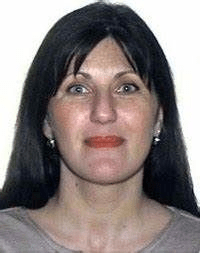
Elodia was married to Cristian Cioacă, a police officer, and the couple had a young son named Patrick. By 2007, however, their marriage was reportedly experiencing serious problems. Investigators would later learn that both spouses had relationships outside the marriage, and prosecutors came to believe that jealousy and the deteriorating relationship between Elodia and Cristian played an important role in what happened.
In August 2007, Elodia travelled to Dubai, returning to Romania on August 26. Only days later, she disappeared.
The precise circumstances surrounding Elodia’s final hours would become one of the central issues in the investigation. Cristian maintained that he last saw his wife at approximately 8:00am on August 30, after the couple had argued.
According to his account, Elodia had simply left.
But as investigators began looking more closely at what happened inside the couple’s apartment, they started developing a very different theory.
There was also an unusual delay before Elodia was officially reported missing. Cristian did not report her disappearance to police until September 5, several days after she was supposedly last seen. Her disappearance was formally registered by Brașov police the following day.
At first, there were details that could potentially support the idea that Elodia had left voluntarily. Some of her clothing was reportedly gone from the apartment, along with identification documents, jewellery, approximately €1,800 and a brown travel bag.
Elodia was also comfortable travelling internationally. She had previously travelled to countries including France, Italy and the United Arab Emirates. It was therefore conceivable that she had simply decided to leave Romania.
But there was a problem with that explanation. Investigators found Elodia’s blood inside the apartment.
Forensic examinations reportedly uncovered numerous blood traces in areas including the couple’s bedroom and bathroom. Blood evidence was reportedly detected around the bedroom door and doorframe, bathroom tiles and other locations.
Prosecutors eventually argued that the amount and distribution of the blood evidence could not reasonably be explained by an ordinary household accident.
Suddenly, investigators were no longer simply asking where Elodia had gone.
They were asking whether she had ever left the apartment alive.
Additional evidence continued to raise suspicions.
Investigators reportedly recovered items connected with Elodia and Cristian from a ravine in the area between Poiana Brașov and Râșnov. Among the items described in contemporary reporting were photographs of Elodia and the couple’s son, clothing and other belongings associated with the family. A police uniform belonging to Cristian was also reportedly among items recovered during the investigation.
Forensic evidence associated with some of the recovered objects became part of the case prosecutors were beginning to build.
Yet investigators faced one enormous obstacle.
They couldn’t find Elodia.
Searches were launched across numerous areas of Romania. Investigators examined forests, mountainous terrain, waterways and other locations where her remains might have been concealed. Areas around Râșnov, Predeal, Pârâul Rece, Rucăr, Fundata and Dâmbovicioara were reportedly searched.
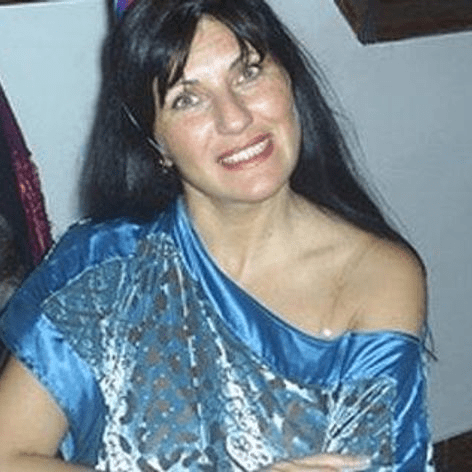
Elodia’s family desperately wanted answers. A substantial reward was offered for information, a private investigator became involved, and her disappearance was circulated internationally through Interpol.
Still, nothing led investigators to her. No confirmed sighting established that Elodia had travelled elsewhere. No credible evidence emerged showing that she had begun another life. She didn’t contact her mother, friends or other relatives. And despite international efforts to locate her, Elodia seemingly disappeared completely after August 30, 2007.
Meanwhile, the case was becoming a national phenomenon. Romanian television became obsessed with Elodia’s disappearance. The television station OTV devoted an extraordinary amount of airtime to the mystery, discussing virtually every possible angle of the case.
Possible sightings were examined. Witnesses were interviewed. Theories were debated. Details of Elodia’s marriage and personal relationships became public entertainment.
Her name eventually became so recognizable throughout Romania that “Elodia” became almost synonymous with an unsolved disappearance.
But behind the television spectacle, investigators continued trying to answer a much more serious question.
Was Elodia actually missing or had she actually been murdered?
Cristian Cioacă consistently denied killing his wife.
The theory that Elodia had deliberately disappeared remained one of the most obvious alternatives to murder. She had access to money, her identification documents were apparently missing and she was an experienced international traveller.
Perhaps she had simply decided to walk away from her marriage and begin again somewhere else.
Investigators took that possibility seriously enough to search internationally.
But the longer Elodia remained missing, the more difficult the voluntary-disappearance theory became to reconcile with the evidence.
Years passed without a confirmed sighting. There was no convincing financial trail. There was no communication with the people closest to her and most importantly, investigators still had to explain the blood evidence inside the apartment.
Eventually, Romanian authorities concluded that Elodia was no longer alive.
In February 2009, a Romanian court formally declared her missing. On November 8, 2011, she was legally declared dead, with August 30, 2007 established as the date of her death.
Investigators ultimately developed a theory about what they believed happened during Elodia’s final night.
Prosecutors alleged that during the night of August 29 into August 30, an argument occurred between Elodia and Cristian inside their apartment. They concluded that Cristian killed his wife there and subsequently removed her body.
They believed he then disposed of Elodia’s remains somewhere investigators had been unable to find.
Cristian continued to deny it.
Without Elodia’s body, prosecutors faced an exceptionally difficult challenge. They didn’t simply have to convince a court that Cristian was responsible for her death.
They first had to establish that Elodia was actually dead.
There was no body, no known burial location and there was no confession.
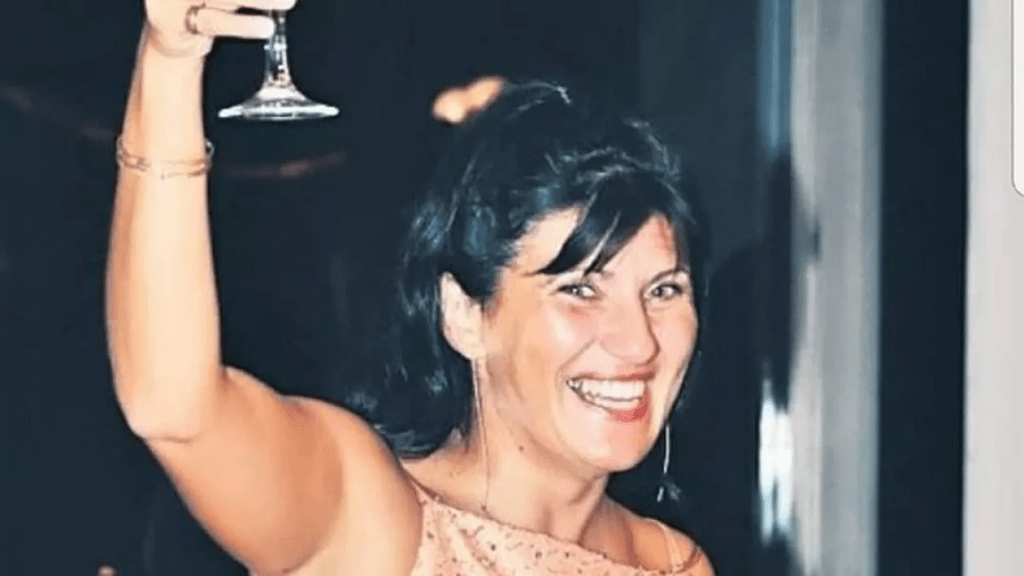
Instead, prosecutors constructed their case using forensic evidence, Elodia’s complete disappearance, the circumstances inside the apartment, the couple’s troubled relationship and Cristian’s behaviour surrounding the time she vanished.
Eventually, authorities believed they had enough. Cristian Cioacă was arrested in December 2012 and charged with murdering his wife. In July 2013, he was convicted of Elodia’s murder and initially sentenced to 22 years in prison. Subsequent legal proceedings altered the length of his sentence, but the murder conviction remained.
It was an extraordinary outcome.
Romanian courts had convicted a man of murdering a woman whose body had never been recovered.
But the conviction didn’t completely end the mystery.
Because there is still one question nobody has been able to answer.
Where is Elodia?
Cristian has never provided authorities with the location of her remains. He has continued to deny murdering her, meaning investigators have never received the one piece of information that could finally bring the physical search to an end.
Over the years, countless theories have circulated.
Some people continue to believe Elodia deliberately disappeared and created a new life somewhere outside Romania. Her experience travelling internationally and the belongings apparently missing from the apartment have been cited by supporters of that theory.
Others have suggested she might have travelled under another identity.
More sensational theories have claimed she entered witness protection or that she was secretly alive somewhere abroad.
There is no credible evidence supporting those claims.
Rumours that Elodia is alive have periodically resurfaced online, including years after Cristian’s conviction, but no verified sighting or reliable evidence has established that she survived beyond August 2007.
Another persistent area of speculation concerns where her remains might have been hidden.
Forests, ravines, lakes and remote mountainous locations have all been suggested. The geography surrounding Brașov provides countless isolated areas where concealing a body could potentially have been possible.
But after years of searching and enormous public attention, nothing conclusively belonging to Elodia has been recovered.
That leaves her case in an unusual position.
Legally, the mystery of who killed Elodia has been resolved.
Romanian courts determined that she was murdered by her husband, Cristian Cioacă.
But physically, Elodia remains a missing person. There is no grave for investigators to identify, there are no remains for her family to bring home and there is no known location marking where her final journey ended.
Nearly two decades after Elodia Ghinescu walked into one of Romania’s most famous mysteries, the question that once captivated an entire country has changed.
It is no longer simply, “What happened to Elodia?”
A court has answered that question. The mystery that remains is far more specific.
Where did Cristian Cioacă put her?
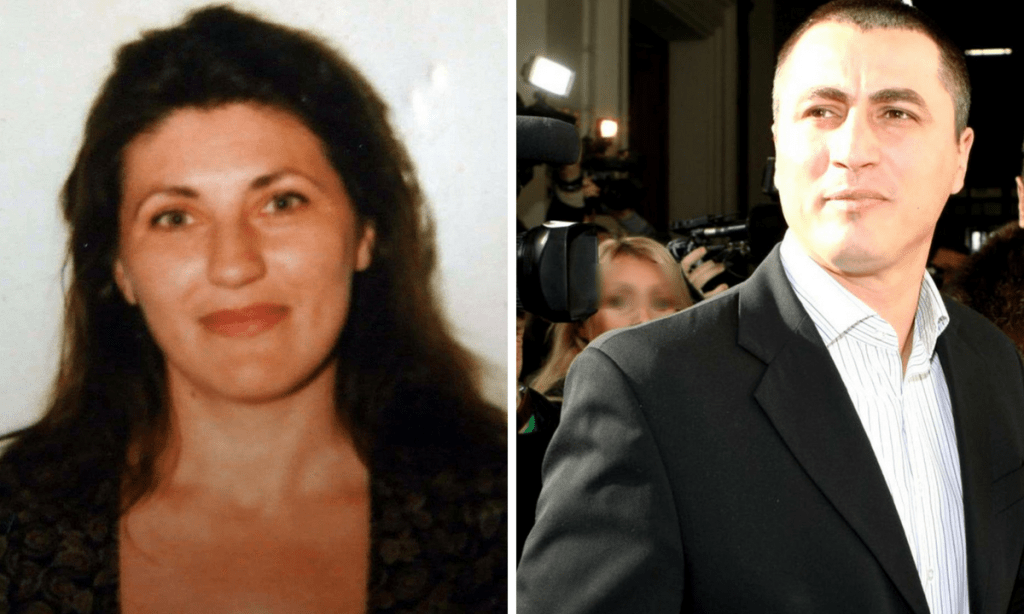
Until Elodia’s remains are found – or someone finally provides information leading investigators to them – one crucial part of Romania’s most infamous missing-person case remains unresolved.
Elodia Ghinescu has been declared dead. Her husband was convicted of murdering her. The courts have determined what happened inside that apartment.
But Elodia herself has never been found.
Anyone with information that could help locate Elodia Ghinescu’s remains is encouraged to contact the Brașov County Police Inspectorate (IPJ Brașov) at +40 268 407 500 or cabinet@bv.politiaromana.ro
Sources: Romanian Public Ministry prosecution records, Romanian court records, HotNews Romania, Jurnalul Național, Știrile ProTV, Antena 3 CNN Romania, Libertatea, Adevărul, and contemporary Romanian reporting covering Elodia Ghinescu’s disappearance and the prosecution of Cristian Cioacă.
🕯️ Subscribe to Someone Saw Something. I dig through the details, ask the unanswered questions, and occasionally fall down research rabbit holes so you don’t have to. 🧡

