Marley Jordan Rowe was only 23 years old when he went out to celebrate New Year’s Eve in Hamilton, Ontario. He was a young father with a son, a girlfriend, and a life ahead of him. Hamilton Police would later describe Marley as hardworking and good-natured. He wasn’t known to police, and investigators have been clear about something else: they believe Marley was an innocent victim who may never have been the person his killer intended to murder.
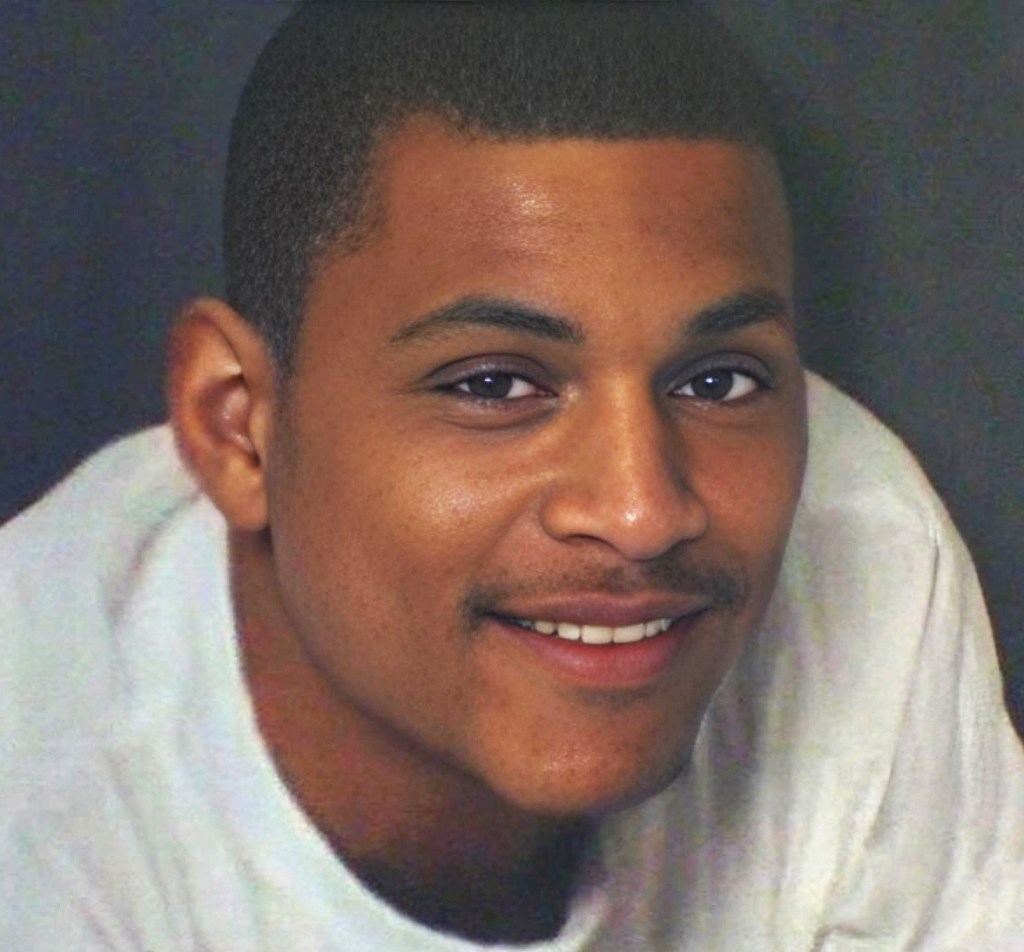
On the night of December 31, 2013, Marley attended an after-hours New Year’s gathering at 169 Sherman Avenue North, near Barton Street. It was a busy night at the property. Police later estimated that approximately 50 to 60 people were attending, and reporting from the time indicated that more than one gathering was taking place around the location. With people celebrating the arrival of a new year, music playing and guests moving in and out, there were potentially dozens of people nearby who might have seen or heard something important.
Marley had been drinking that night, however he was not planning to drive himself home. According to a later Hamilton Police Services Board report, he stepped outside and waited in the rear parking lot for a friend who was going to give him a ride. It was an ordinary decision, the kind of thing someone might do without giving it another thought.
Sometime around 4:40am on January 1, 2014, everything changed.
Only moments after Marley went outside, someone approached him in the parking lot. At close range, the person shot Marley in the head. The Police Services Board report characterized the shooting as appearing to have been a targeted killing.
Several people called 911. Police and paramedics rushed to Sherman Avenue North and found Marley lying in the parking lot. A small number of people had remained behind and were attempting to help him. Marley was taken to Hamilton General Hospital, but his injuries were too severe. He was pronounced dead shortly afterward.
Barely four hours into the new year, Marley Rowe had become Hamilton’s first homicide victim of 2014.
What happened immediately afterward would become one of the greatest obstacles investigators faced. Rather than remaining at the property and speaking with police, most of the people who had been attending the gathering left. Hamilton Police have since stated that many partygoers fled to avoid speaking with investigators. Police believed there were most likely several eyewitnesses to Marley’s murder, but the information detectives desperately needed wasn’t forthcoming.
One woman who had been at an upstairs party later spoke anonymously to CHCH News. She remembered seeing Marley approximately four hours before he was killed. She hadn’t heard the gunshot because music was playing, but eventually heard a commotion downstairs. When people went outside, they discovered someone lying in the parking lot. She soon learned that the person was Marley.
Investigators began trying to reconstruct what had happened in those few minutes after Marley stepped outside.
And eventually, a disturbing theory emerged. Police came to believe that Marley’s murder was not random. But they also came to believe that Marley himself may not have been the intended victim.
Hamilton Police’s current unsolved homicide information describes Marley’s death as a suspected case of mistaken identity connected to retaliation for an earlier incident. In other words, investigators believe the gunman may have deliberately approached and shot the person he saw in that parking lot while mistakenly believing Marley was somebody else.
That helps explain something that can otherwise sound contradictory. Early police documentation described the shooting as a targeted killing, while later information describes Marley as the apparent victim of mistaken identity. However, both things can be true at the same time. The shooter could have intentionally targeted the man standing in front of him while being completely wrong about who that man actually was.
Hamilton Police have never publicly explained exactly what the earlier incident was.
Police have never publicly named the person they believe the killer may actually have been looking for, nor have they publicly explained why Marley was mistaken for that person. Those details remain part of the mystery.
Police did acknowledge that some of Marley’s friends were known to them, but emphasized that Marley himself wasn’t. During later anniversary coverage, investigators continued describing him as an innocent victim.
It raises a haunting possibility. Marley appears to have walked into the parking lot at exactly the wrong moment. Perhaps the killer had come looking for someone connected with whatever had happened earlier. Perhaps Marley resembled that person, was wearing something similar, or was simply standing somewhere the intended target was expected to be. None of those specific explanations have been confirmed by police, however, and there is no responsible way to choose among them from the publicly available evidence.
What investigators do appear to believe is that someone at the party knows much more than they have shared.
By the second anniversary of Marley’s murder, police were publicly expressing confidence that people possessed firsthand information about what happened. Investigators believed some people had actually witnessed the shooting. The problem wasn’t necessarily that there had been no witnesses, it was getting those witnesses to cooperate.
That must have been particularly painful for Marley’s family. His mother has repeatedly appealed for people to come forward. She was left grieving her son while knowing that somewhere in Hamilton there were likely people who could help explain why he had been killed.
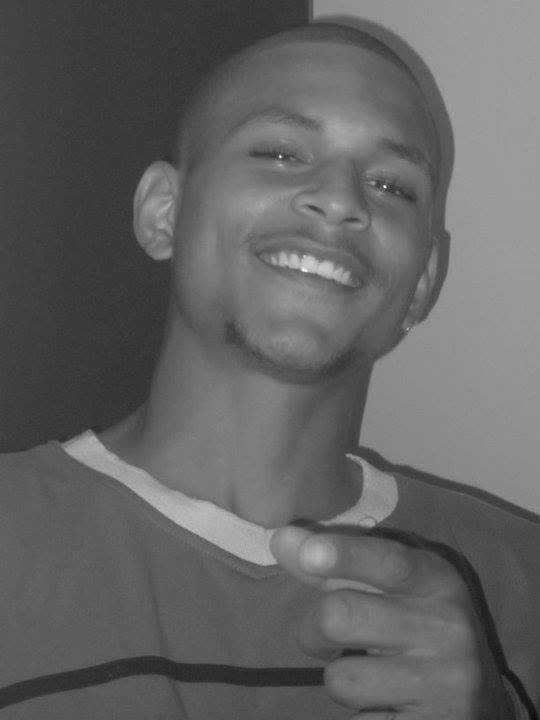
In May 2015, the Hamilton Police Services Board attempted to break the silence by approving a $50,000 reward for information leading to an arrest – or arrests – in Marley’s murder. Investigators hoped that the substantial reward might persuade someone who had remained silent to finally tell police what they knew.
It hasn’t produced the public breakthrough Marley’s family had been waiting for.
His death nevertheless inspired his mother, Sherri Bonnallie, to try to create something positive from an unimaginable loss. She became involved in efforts addressing youth violence and founded Give Proof To Our Youth, an organization focused on encouraging young people through education, community involvement and positive choices. CFL player Brandon Banks later became involved after meeting her and learning about Marley.
But the question at the centre of Marley’s story remained unanswered.
Who walked into that parking lot shortly before 4:40 on New Year’s morning?
Who were they actually looking for?
What had happened during the earlier incident that police believe prompted retaliation?
Why did the killer believe Marley was connected to it?
And among the dozens of people celebrating around 169 Sherman Avenue North that night, who saw enough to identify the person responsible?
More than twelve years later, Hamilton Police continue to list the murder of Marley Rowe among their unsolved homicides. No one has been publicly charged with killing him, and the $50,000 reward remains listed by police.
Perhaps the saddest part of Marley’s story is how ordinary his final moments appeared to have been. He had spent New Year’s Eve celebrating. He had been drinking, so he arranged for someone else to drive him home. Then he stepped outside and waited for his ride.
Moments later, someone approached him. There may have been people nearby who saw exactly what happened. The gunman fired at close range and if Hamilton Police’s theory is correct, the person standing in front of the killer wasn’t even the person they had come looking for.
Marley Jordan Rowe was just 23 years old. He was a son, a boyfriend and a father. Whatever dispute preceded the shooting, police have found no reason to believe it involved Marley at all.
It appears that he had simply been mistaken for somebody else and somewhere out there, more than a decade later, investigators believe people still know who killed him.
If you have information on Marley’s case, please contact any of the following:
Hamilton Police Service:
S/Sgt Peter Thom of the Major Crime Unit at: 905-546-2458.
Telephone: 905-546-3843 or 905-540-6477
Reference Case#: 13786143
Crime Stoppers: 1-800-222-TIPS(8477)
Online at: https://www.canadiancrimestoppers.org/submit-a-tip/submit-a-tip
Crime Stoppers provides anonymous tipping
Sources: Hamilton Police Service; Hamilton Police Services Board; CHCH News; CFL.ca.
🕯️ Subscribe to Someone Saw Something. I dig through the details, ask the unanswered questions, and occasionally fall down research rabbit holes so you don’t have to. 🧡


Leave a comment