On March 22, 2009, 33-year-old Judy Ann Quill was in Pikangikum First Nation, the remote northwestern Ontario community she had called home throughout her life. Judy was a mother of two, a daughter and a woman remembered by her family as someone who regularly visited her parents and helped them with everyday things. Before that day was over, Judy would be found brutally injured in a wooded area of her community. She was still alive when she was discovered, but despite efforts to save her, she would not survive. Her killer has never been brought to justice.
The official police timeline of Judy’s final hours is relatively brief. The Ontario Provincial Police have said that Judy was last seen leaving the home of a family member during the early morning hours of March 22. A short time later, she was discovered seriously injured in a wooded area. She had been violently assaulted and was taken to the local medical centre in Pikangikum, where she died from her injuries. A post-mortem examination determined that Judy had suffered fatal blunt-force trauma, and her death was investigated as a homicide.
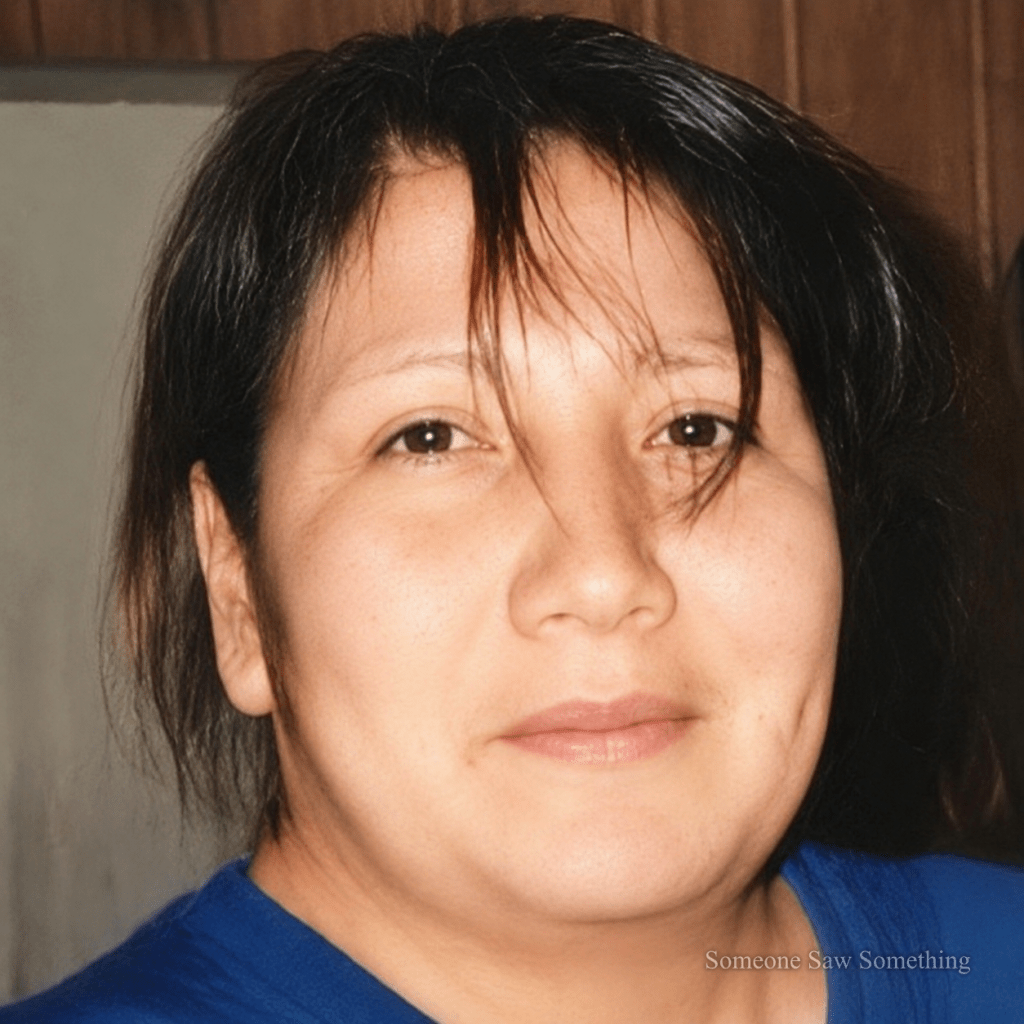
Years later, however, Judy’s father, Peter Quill, provided a much more personal account of his daughter’s final day when he participated in the National Inquiry into Missing and Murdered Indigenous Women and Girls. His recollections offered a glimpse of Judy’s life before she became the subject of an unsolved homicide investigation. He remembered his daughter as shy and caring, someone who frequently came to see her parents, brought food for her mother and helped with household chores.
According to Peter’s testimony, Judy had come to her parents’ home and was helping around the house. She brought food for her mother, cleaned and began washing the dishes. It was an ordinary family visit until Judy received a telephone call. After answering the phone, she suddenly left the house, reportedly leaving the dishes unfinished.
It would be the last time her father saw her alive.
That telephone call has become one of the most intriguing details surrounding Judy’s final hours, but it needs to be treated cautiously. Publicly available information does not identify who called Judy, what was said during the conversation or whether investigators were ever able to determine the caller’s identity. There is also no public confirmation that the telephone call was connected to her murder. It could have been completely innocent. Nevertheless, because Judy apparently left shortly after receiving it, the call represents an important unanswered question in reconstructing where she went and whom she may have intended to meet.
Later, Peter was awakened when community peacekeepers arrived at his home. He recalled being told that Judy had been found badly beaten in the bush and had been taken for medical treatment. Her injuries were extremely serious. Peter went to the nursing station, where police were already present, but Judy could not be saved.
Peter also recalled being told that two people had discovered Judy. Understandably, he had questions about the circumstances in which she was found and how those individuals had happened upon her. However, there is no public evidence showing that the people who discovered Judy were suspected of harming her. Peter’s questions were those of a grieving father trying to understand what had happened to his daughter, and they should not be interpreted as a police allegation against the people who found her.
The location where Judy was discovered has been described in police-related reporting as a wooded area or clearing near a roadway in Pikangikum. Earlier OPP material places the location near Sesame Street and Airport Road. What remains unclear publicly is how Judy travelled from the family residence to that area, whether she went there voluntarily, whether someone accompanied her, or whether she was attacked somewhere else and subsequently left there.
Those missing movements create a relatively small but crucial gap in Judy’s timeline. Somewhere after she left the family residence and before she was discovered critically injured, Judy encountered the person or possibly people responsible for the assault. Police have never publicly released a complete reconstruction of those hours.
Her father eventually became frustrated with what he perceived as a lack of progress and communication in the investigation. When Peter spoke publicly years later, he expressed his belief that people within the community knew more about Judy’s death than they had revealed. His comments reflected his own experience and concerns as Judy’s father rather than an official finding that particular individuals were withholding evidence.
The OPP, however, would later express a remarkably similar belief about the possibility that someone possessed crucial information.
As the tenth anniversary of Judy’s murder approached in March 2019, investigators renewed their efforts in Pikangikum. Members of the OPP returned to the community and spoke with residents in hopes of generating new information. Detective Inspector Randy Heida emphasized that an unsolved OPP homicide investigation does not simply close because time has passed. He also publicly stated his belief that someone in Pikangikum knew what happened to Judy and appealed to that person—or those people—to speak with investigators.
By then, police had spent years attempting to piece together Judy’s final hours. Investigators subsequently revealed that hundreds of interviews had been conducted and that some of those conversations had produced information considered important to the investigation. Yet whatever investigators learned was apparently not enough to support an arrest and conviction.
In February 2020, the Province of Ontario offered a $50,000 reward for information leading to the arrest and conviction of the person or people responsible for Judy’s death. Police also established a dedicated tip line as part of the renewed effort to solve the murder.
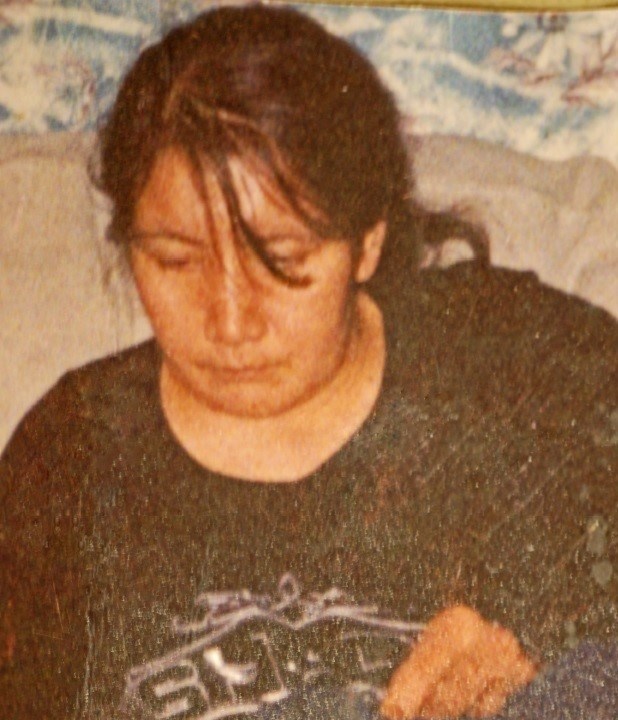
The reward itself says something important about the investigation. More than a decade after Judy was killed, authorities were still actively trying to persuade someone to come forward. Rather than suggesting that investigators believed the case was impossible to solve, their public appeals repeatedly conveyed the opposite: they believed information existed that could move the investigation forward.
What police have not done publicly is identify a suspect. I found no reliable record of anyone being arrested or charged with Judy’s murder, nor have authorities publicly disclosed a motive. There is no confirmed evidence showing whether Judy knew her attacker, whether she had arranged to meet someone after leaving the house, or whether the assault resulted from an unexpected encounter.
That makes it tempting to look at the mysterious telephone call as the key to the case. Perhaps Judy received a call from someone she knew and went to meet them. Perhaps the caller asked her to go somewhere. But those possibilities remain speculation. Police may know considerably more about the call than has ever been released publicly, including something as basic as whether it had any connection to what happened afterward.
The same caution applies to the location where Judy was found. Because she was discovered alive, there were people who saw her and interacted with her immediately after the attack. Investigators would have had an opportunity to examine the scene and speak with those who found her. Yet very little of that evidence has been released publicly, which may be intentional. In an unsolved homicide, investigators frequently retain details known only to themselves and the person responsible.
Judy’s father’s testimony also makes the human cost of those unanswered questions impossible to overlook. For him, this wasn’t simply an old police file. He remembered his daughter coming into the house, bringing food to her mother and helping with the dishes. Then the telephone rang. Judy answered it, left the house and never came home alive.
That unfinished chore became an unexpectedly poignant detail in her story. There was no indication, at least in Peter’s recollection, that Judy believed she was leaving her parents’ home for the last time. She simply stopped what she was doing and went out.
Hours later, her family learned that she had been found terribly injured.
The OPP subsequently included Judy among Ontario’s unresolved Indigenous female homicide cases in its Missing and Unsolved Murdered Indigenous People work. The historical OPP material identifies Judy Quill and Pikangikum First Nation among those cases.
More than seventeen years have now passed since Judy’s murder, but the central questions remain remarkably similar to those her family faced in 2009. Who called Judy before she left? Where was she going? Who saw her after she walked out of the house? How did she end up in the wooded area where she was discovered? And who attacked her so violently that she died from her injuries?
Perhaps most importantly, investigators have repeatedly suggested that someone may already know the answer.
Judy Ann Quill was found alive, which makes her story particularly heartbreaking. Help reached her, but it came too late to save her. What has never come is justice for the woman who left her parents’ home one day after answering a telephone call and whose family has spent the years since waiting for someone to finally explain what happened next.
If you have information on Judy’s case, please contact any of the following:
Pikangikum OPP: 807-773-5007
Crime Stoppers: 1-800-222-TIPS(8477)
Online at: https://www.canadiancrimestoppers.org/submit-a-tip/submit-a-tip
Crime Stoppers provides anonymous tipping
Sources: Ontario Provincial Police, National Inquiry into Missing and Murdered Indigenous Women and Girls,
Ontario Provincial Police – Missing and Unsolved Murdered Indigenous People Report, NetNewsLedger, Fort Frances Times, CBC
🕯️ Subscribe to Someone Saw Something. I dig through the details, ask the unanswered questions, and occasionally fall down research rabbit holes so you don’t have to. 🧡

