On New Year’s Eve in 1998, fifteen-year-old Kirsty Bentley woke to a warm summer day in the quiet farming community of Ashburton, New Zealand. Like many teenagers looking forward to the holiday, she spent part of her morning shopping with a friend before returning home. Nothing about the day hinted that it would become one of New Zealand’s most enduring murder mysteries.
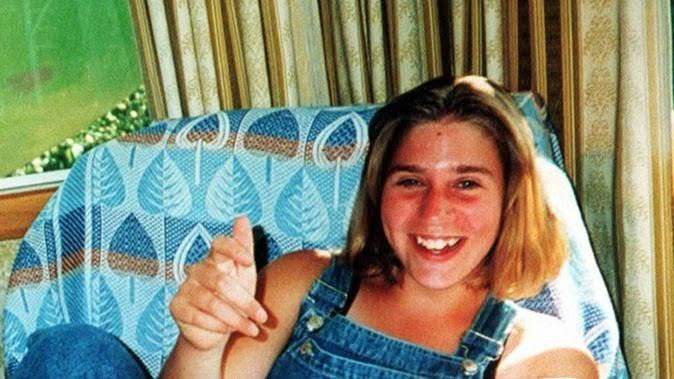
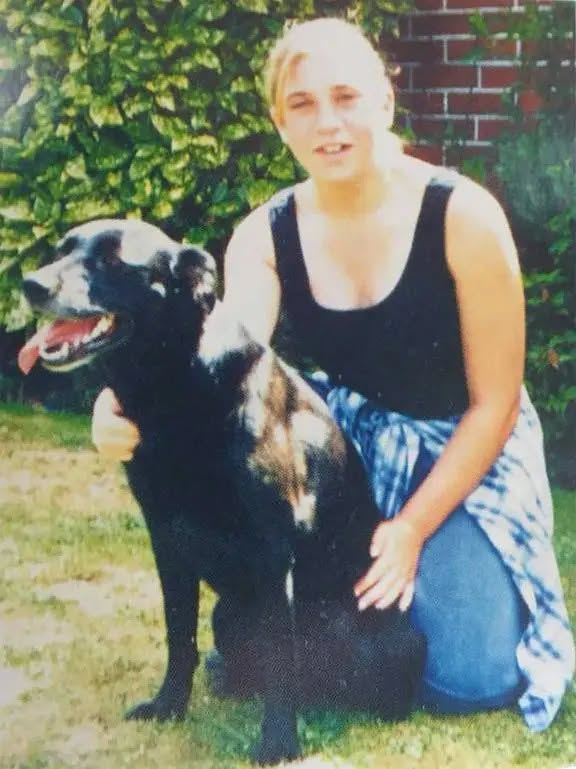
After arriving home, Kirsty spoke briefly with her boyfriend on the telephone. Sometime around 3:00 that afternoon, she clipped a lead onto Abby, the family’s black Labrador-cross, and headed out for a familiar walk along the Ashburton River. It was a route she had taken many times before. She never came home. As the afternoon turned into evening, concern quickly spread through the Bentley household. When Kirsty failed to return, her family alerted police, and a search began. Volunteers, police officers, helicopters, and search-and-rescue teams combed the riverbanks, nearby roads, and surrounding farmland. Hope remained that she had simply become lost or injured.
The following morning brought a discovery that deepened the mystery. Abby had been found alive. The loyal dog was tied to a tree with her own lead in a small clearing near the river. Not far away, searchers discovered Kirsty’s underwear tangled in blackberry bushes. Investigators would later conclude that these items appeared to have been deliberately placed, suggesting someone may have tried to mislead police or divert attention from the true crime scene.
Despite the unsettling discoveries, there was still no sign of Kirsty herself. Days stretched into weeks as one of the largest searches in New Zealand’s history continued. Hundreds of volunteers refused to give up, believing there was still a chance she might be found alive.
Sadly, that hope would end on January 17, 1999. Two men searching in dense scrub near the remote Rakaia Gorge, many kilometers from Ashburton, made a heartbreaking discovery. Hidden among the vegetation was Kirsty’s body. She had been dead since the day she disappeared. A post-mortem examination determined that she had died from blunt force trauma to the head. Because of the condition of the remains, pathologists were unable to determine whether a sexual assault had occurred.
The investigation quickly became one of the most complex homicide inquiries New Zealand Police had ever undertaken. Thousands of exhibits were collected. Hundreds of witnesses were interviewed. Detectives reconstructed Kirsty’s final known movements minute by minute, searching for even the smallest clue that might identify her killer.
As often happens in difficult investigations, police first looked to those closest to the victim. Kirsty’s father, Sid Bentley, would draw attention after inconsistencies emerged in his account of his movements that afternoon. Over the years, aspects of his timeline changed before later returning to his original version. Although investigators examined him extensively, they never found sufficient evidence to lay charges. Sid Bentley had maintained his innocence until his death in 2015. Kirsty’s brother, John, who was among the last people to see her alive, was also investigated and repeatedly denied any involvement. Like his father, he was never charged.
With no arrest, detectives explored other possibilities. Could Kirsty have accepted a ride from someone she knew? Had she have an encounter with a stranger while walking Abby? Did she witness some kind of illegal activity in the isolated countryside? Over the decades, police investigated numerous suspects and theories, including known violent offenders and reports involving remote cannabis-growing sites. None of those leads produced enough evidence to solve the case.
In 2016, a coroner formally confirmed what everyone had long believed: Kirsty’s death was the result of homicide. Then, in 2022, New Zealand Police made another attempt to break the case open by offering a NZ$100,000 reward for information leading to the conviction of the person responsible. Investigators even indicated they would consider immunity for an accomplice who was not the principal offender if it meant identifying the killer. Although the NZ$100,000 reward announced in 2022 has expired, Detective Inspector Greg Murton has stated that police remain interested in receiving new information that could generate fresh investigative leads. Even with the renewed publicity, no one has been arrested.
More than a 25 yeas has passed since Kirsty Bentley walked her dog on a warm summer afternoon. The image of Abby tied to a tree just waiting to be found remains one of the most haunting details of the investigation. So too does the knowledge that someone transported Kirsty’s body to a remote location, concealed it, and disappeared without leaving enough evidence to identify themselves. Someone knows what happened on December 31, 1998.
Whether it is a witness who has remained silent, someone protecting a secret, or the killer themselves, investigators continue to believe that the answer still exists. Until that person comes forward, Kirsty Bentley’s murder remains one of New Zealand’s most heartbreaking and enduring unsolved mysteries, a case that began with an ordinary walk and ended with questions that have echoed for more than twenty-five years.
If you have any information regarding Kirsty case, please contact any of the following:
New Zealand Police (Non-Emergency):
Telephone (within New Zealand): 105
Online reporting: https://www.police.govt.nz/use-105
Reference: Operation Kirsty
Crime Stoppers New Zealand
Telephone: 0800 555 111
Online at: https://crimestoppers-nz.org/
Tips can be provided anonymously.
🔥Small actions lead to big changes. Your support is my fuel. Please give a like, share, follow and subscribe to keep the fire burning!
Sources: New Zealand Police, The Irish Sun, RNZ, NewstalkNZ


Leave a Reply